
AI: The Question of Learning
The smallest starting point unlocks the process of learning AI. And it's not a course.
Nov 14, 2025We make you almost intelligent. The fun kind.
→ Subscribe freeThe smallest starting point unlocks the process of learning AI. And it's not a course.
Nov 14, 2025
To make sense of science, the dancer in me always imagines motion. Quantum physics, at its heart, is a dance of particles, constantly moving, adapting, and exchanging energy. It’s also how AI learns.
Oct 25, 2025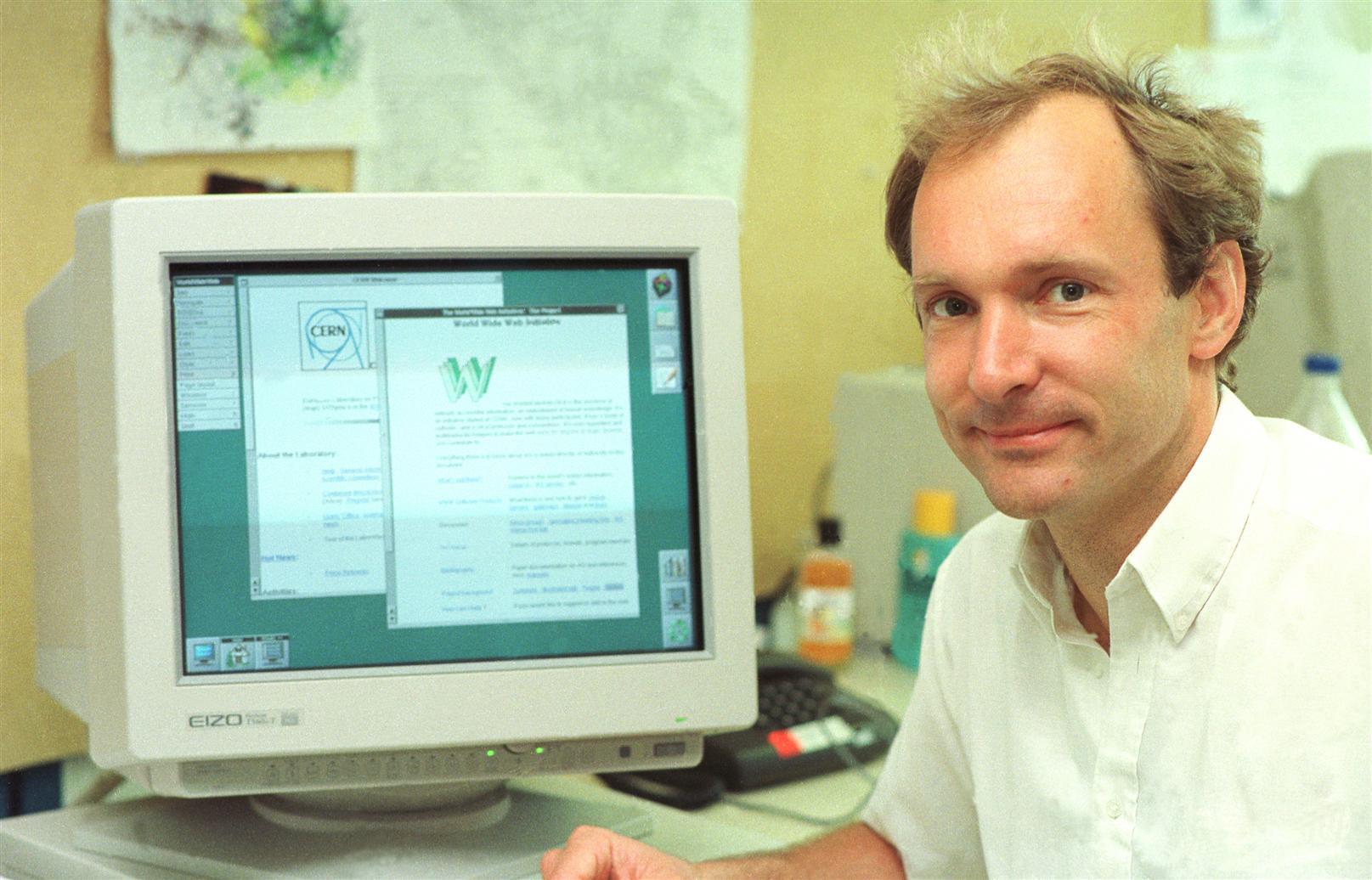
A recent article in The New Yorker profiles Tim Berners-Lee, inventor of the World Wide Web. The article's subhead is "Now he wants to save it."
Oct 5, 2025
AI doesn't replace the need to communicate effectively. If anything, it not only taxes your baseline communications skills but taps into any innate managerial or didactic instincts.
Sep 26, 2025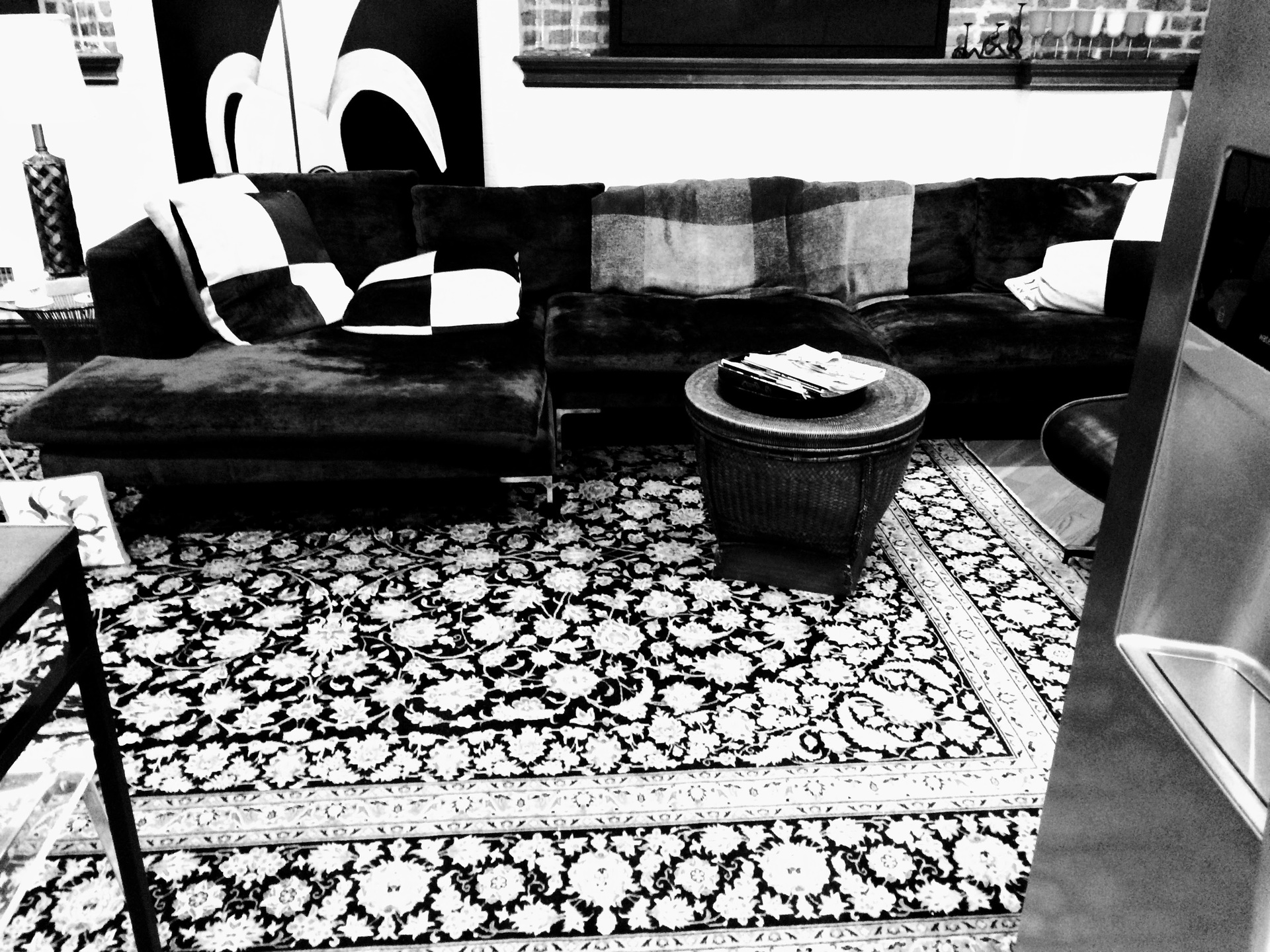
Undertaking a design challenge isn't something we do often. For homeowners, a "refresh" of your living space happens every 3-5 years.
Sep 20, 2025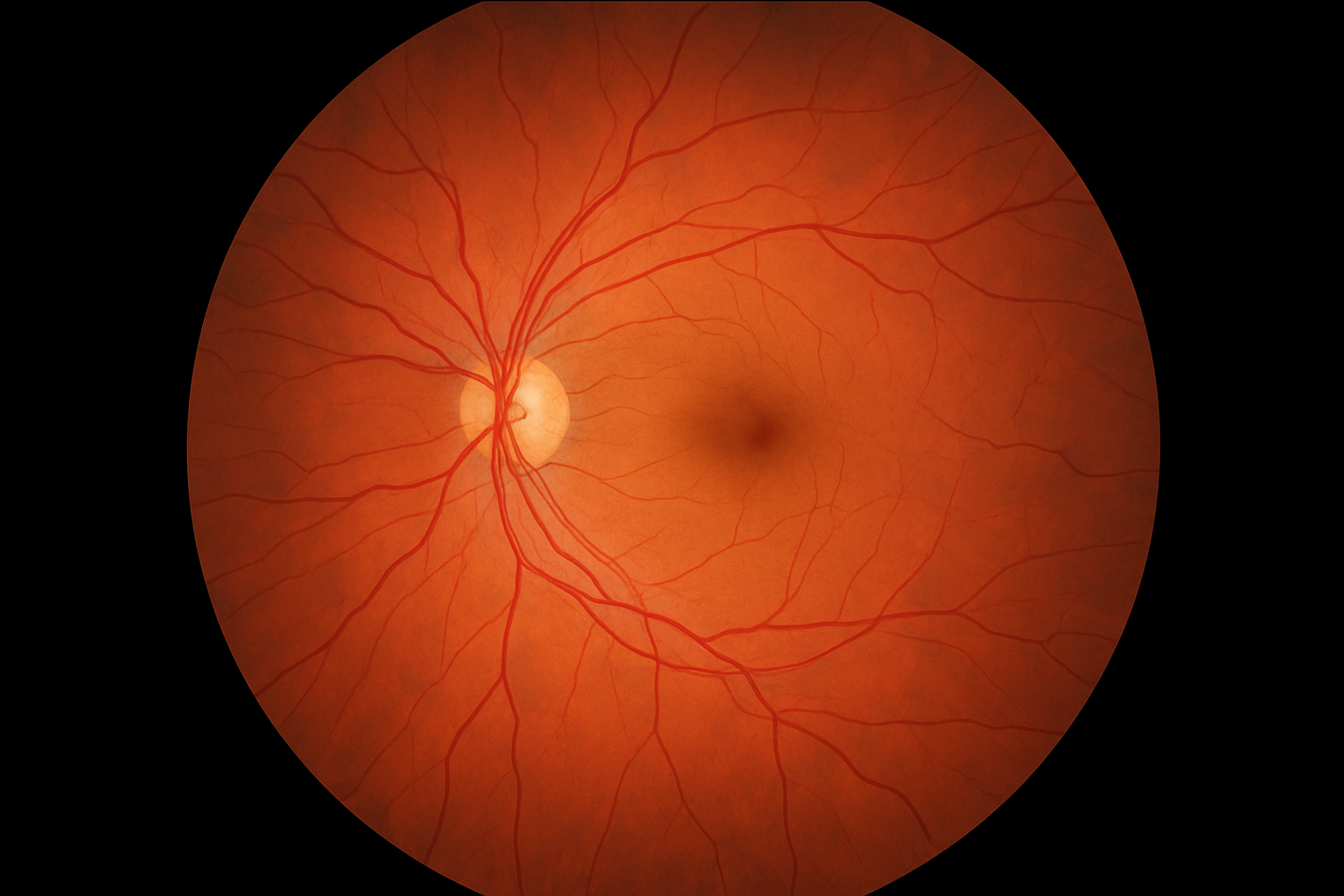
From spotting irregularities in radiology scans to finding that photo from 2012, AI is changing how we see.
Sep 12, 2025AI is moving faster than any invention in your lifetime. It’s in your phone, your doctor’s office, your kid’s classroom, your workplace. It doesn’t announce itself. It just shows up.
Almost Intelligent is for everyone else. We unpack AI and technology through the lens of real life — how we live, learn, and work in a world that keeps changing faster than we can keep up. No hype. No doom. No jargon. Just clarity, a little wit, and the occasional thing worth trying.
The cloud was the ultimate bad roommate: took all your stuff (photos, secrets, that embarrassing 2012 tax return), never paid rent, and spied on your late-night searches.
Enter OpenClaw — AI that actually respects boundaries. Runs locally on your machine, no phoning home to Big Tech.
Nvidia's Jensen Huang calls it “the operating system for personal AI.” High praise from a man who knows chips.
One hour of "vibe coding," and suddenly your laptop feels like a vault again.
Privacy: the new luxury good.
Who knew I'd live to see the cloud get evicted?
— The System
Archives →