Your Secrets Are Coming Home
In the 1980s and early '90s, the personal computer was really personal. It sat on your desk, handled your work, stored your files. The only "security threat" came in on a floppy disk from a friend's house. Then came the infinite — and seductive — network. The cloud offered limitless storage (at a price) and instant intelligence. We uploaded our files, our memories, our trust. And somewhere between the VCR and iCloud, we outsourced not just our storage, but our control over it.
September 10, 1990
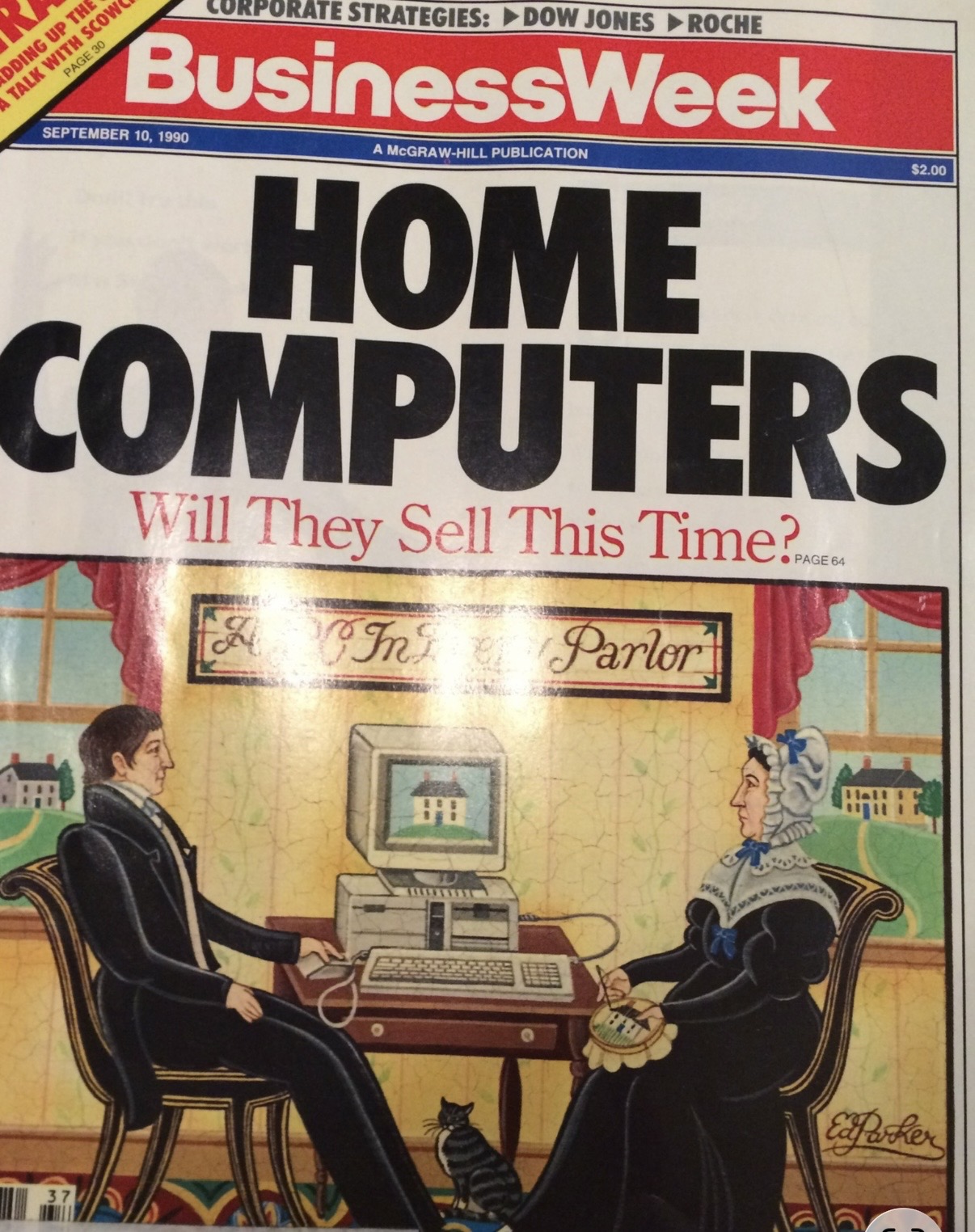
Thirty years later, the scarecrow is about to get its brain back — and this time, it's whispering in your ear.
In 1992, I wrote an article about how supercomputer-level 3D graphics were suddenly available on home machines.
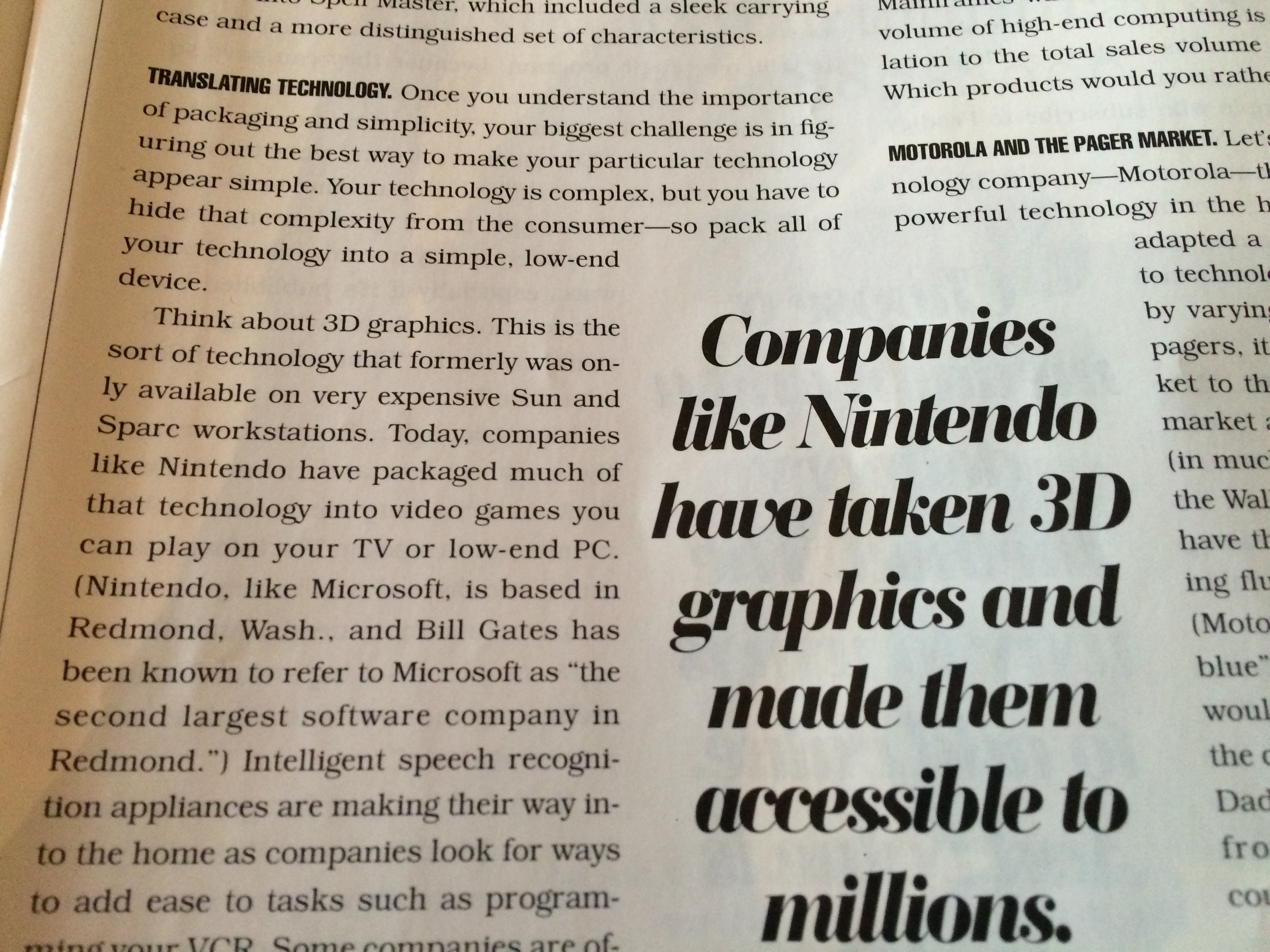
Today, the same kind of chips once built for gaming now run AI models faster than most datacenters dreamed a decade ago. But this shift isn't just about speed. It's about location.
The future of AI isn't out there. It's right in front of you.
Now, AI can write code, plan meals and organize your calendar, not from the cloud but from the computer sitting on your desk. That's the idea behind OpenClaw, launched in late 2025 by Austrian "vibe coder" Peter Steinberger. His premise was simple: what if AI didn't mean shipping your life off to remote servers? What if it simply worked locally, on the machine you already own?
Jensen Huang, CEO of Nvidia, put it beautifully (he always does) this week: "Mac and Windows are the operating systems for the personal computer. OpenClaw is the operating system for personal AI."
Last month, Steinberger joined OpenAI (ChatGPT's parent company) to work on personal agents, while OpenClaw became an independent open-source foundation backed by the company. It's early, but the next frontier of AI may not live in distant servers — it may run quietly on your own hardware (in a recent article, I mentioned the Mac Mini). Only when you get that privacy back will you realize how much of it you surrendered.
The Chart That Cried Robot
Every week brings another viral "AI Will Steal Your Job" diagram. The latest, courtesy of technologist Andrej Karpathy, looked more like modern art than labor forecast: a blur of colors and arrows that sent Twitter (sorry, X) into apocalypse mode. Elon Musk tweeted, headlines screamed, panic ensued. Karpathy deleted the post, saying people had misunderstood it. He was right.
The truth is duller. The charts point to repetitive tasks, not careers. What remains untouchable are the traits that make humans irreplaceable: taste, empathy, judgment. The very things that make personal computing personal.
THINGS TO TRY
I can never get enough prompt recommendations, so here are a few obvious ones that may be good reminders. Paste these into ChatGPT or your favorite (maybe try something you haven't yet, like Gemini):
- Instead of asking "What should I do this weekend in Austin," try "I'm in Austin for one day, this Sunday, free from 1–5, interested in x, y, and z."
- If you're torn between two choices, prompt: "I'm deciding between X and Y. Ask me three questions, then tell me what you'd pick."
- And of note: AI remembers you — sometimes too well. In Ireland, ChatGPT was convinced I lived for thrifting. So yes, you may have to say, "ignore the vintage obsession this time."
COMING BACK HOME
Not just computing, 90's nostalgia too. CDs are back, thanks to the FX show Love Story. Before prices spike, stop by a thrift shop and grab an old player and a few discs. It's not just retro, it's tactile. You own it. (Just in: At the thrift shop where I volunteer, dozens of Johnny Mathis, Kenny G, Barbra Streisand and one Cher CD came in. All for sale. Ping me.)
Until Next Time
Stay curious. Because the next evolution in technology isn't bigger, it's closer. The home computer never died. It just went the long distance. And now, it's calling back.
Connie
P.S. If you've tried GoShed.app and hit a paywall, the promo code is BETAFRIEND. Feedback is always welcome — I read every word.
Cover photos @charles fleisher