The People Who See It First
We like to think we decide when change happens. History suggests otherwise.
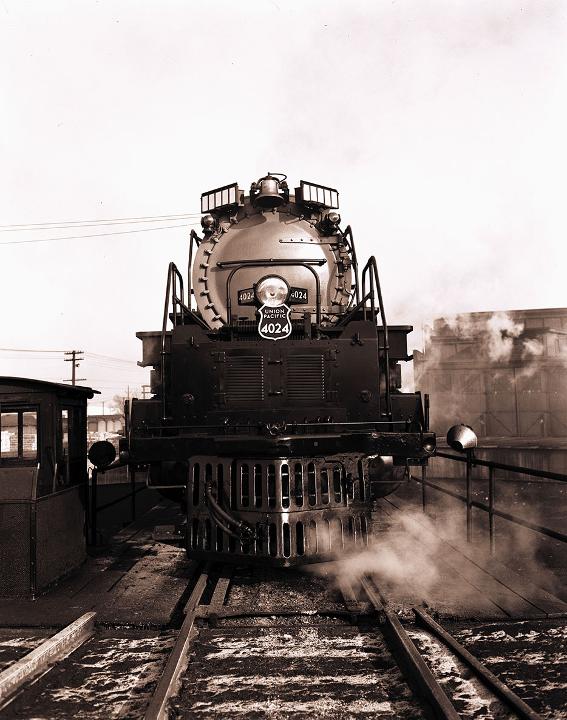
My grandfather started on the railroad at fifteen and spent the next four decades navigating every collision between industrial eras that the twentieth century could throw at him. Trucks. Airlines. The Depression. Two world wars. Fifteen thousand railroad workers coming home who needed their jobs back. He was summoned to Washington the first time at twenty-seven — in 1918 — and he was described as the "labor relations whiz kid," which was a polite way of saying he was good at sitting with people while the ground shifted under them.
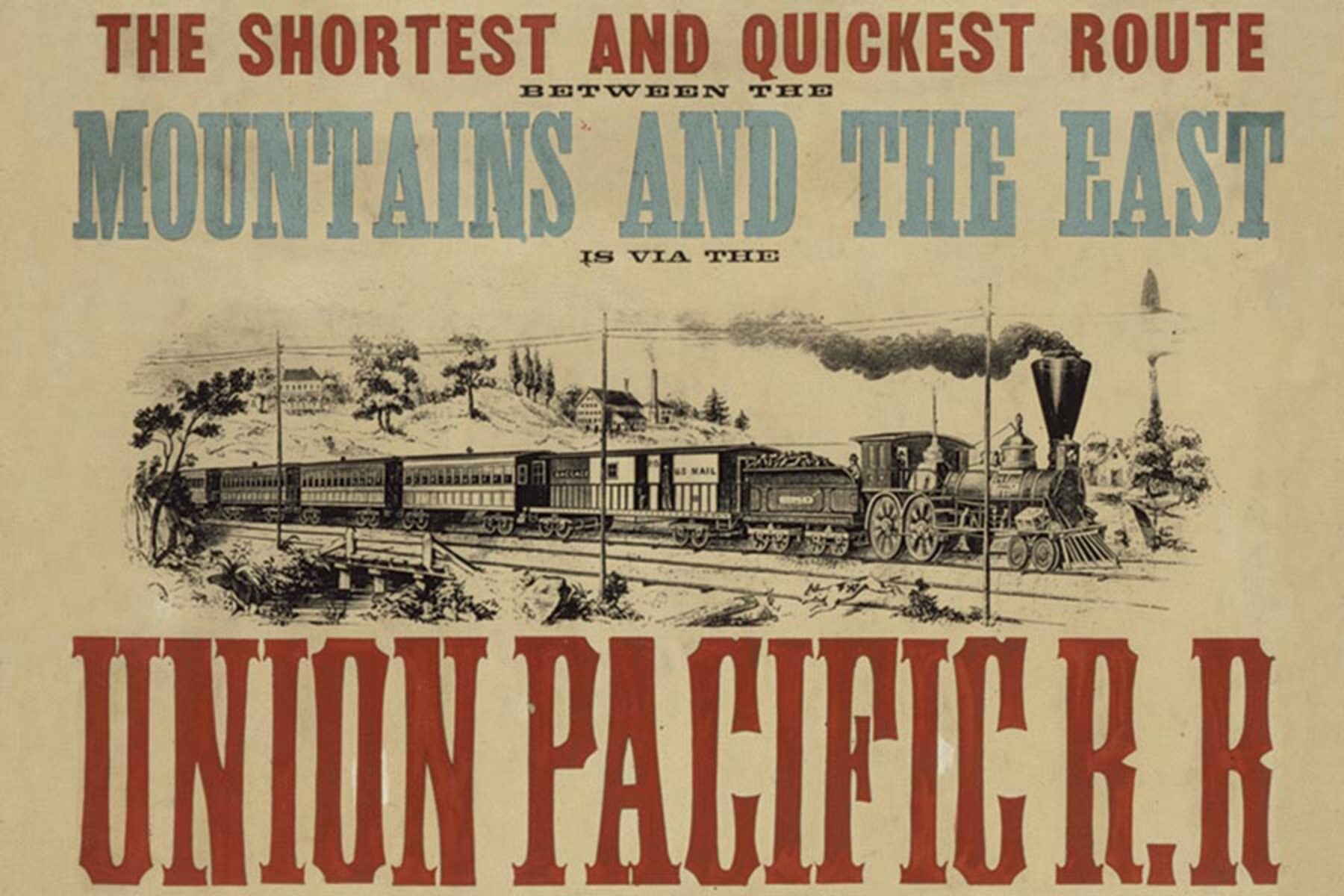
"As early as 1944, E. J. Connors and the personnel staff began grappling with the question of how to handle returning veterans. The Union Pacific had 12,000 employees in the armed forces and expected to have 3,000 more by the time the war ended....E. J. Connors stayed on to handle the thorny labor area, and a select group of officers were given raises."
— Excerpts from Union Pacific: Volume II, Maury Klein
I thought about him this week when I read about an electrician who turned down work on a data center (big money), and a homeowner who walked away from $26 million rather than lease her land for a data center. Not because the economics didn't make sense. Because something else didn't.
The thing that stopped me: neither of them would have blinked at oil or gas. Fracking. No problem. It was this that drew the line.
The question sitting with me all week isn't whether AI is coming. It's: what are they seeing that the rest of us are still talking ourselves out of noticing?
When Amazon held an emergency meeting about AI breaking its own systems last month, Elon Musk — who arguably lit this particular fuse — responded with three words: Proceed with caution.
When the people building it are the ones hitting pause, that's not a protest. That's a signal.
My grandfather would have recognized it immediately.
CEOs, Minis and Personal AI Agents
Mark Zuckerberg announced he's building a personal AI agent to help him run Meta as a working layer between him and the business itself. The early version helps retrieve information and manage decisions, but the ambition is bigger: an always-on, context-aware "second brain" that understands his company, his priorities, and eventually, his judgment.
If last week's idea was that our data is coming home, this is the next step: it's not just where your information lives — it's who works for you. The industrial era gave us systems. The cloud gave us access. This moment? It's giving us agents.
I ordered a Mac Mini to build — to experiment with what it means to have something "personal" again. And then I was told it could take weeks. Not because of a launch or a chip shortage, but because people are buying them in stacks — turning these quiet little machines into personal AI servers. Not everyone is a developer, but suddenly a lot of people don't want to rent their intelligence anymore. Even Mark Cuban said, "I bought a Mac Mini… like everybody else."

Hard to believe that there is so much power here. When I launched one of the first handheld computers in the 1980s it held 10MB. The standard Mini is 256GB or 25,000x.
Until Next Time
Stay curious.
Connie