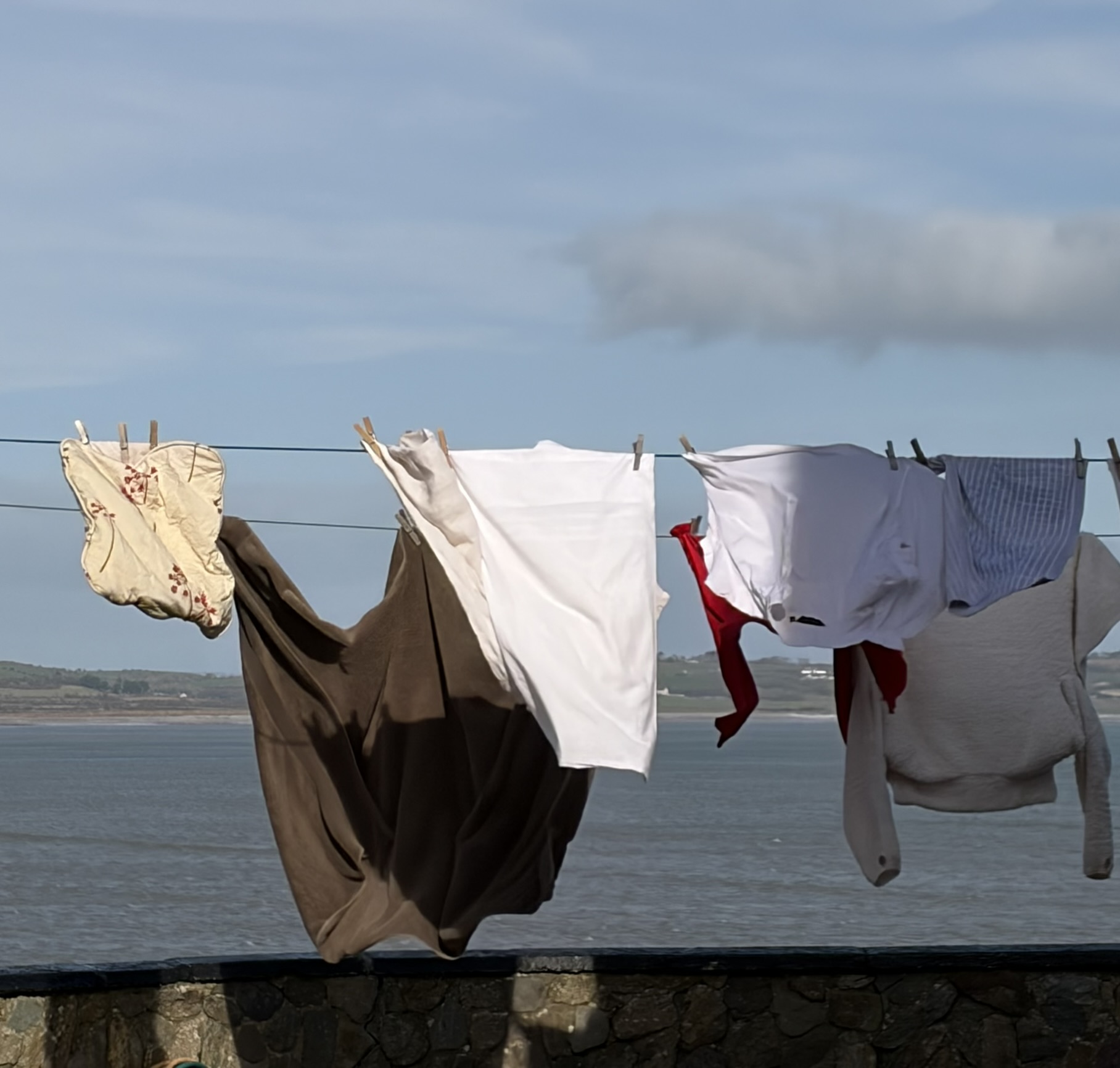
We're Not Guarding Our Data. We're Guarding Our Attention.
I was driving to an appointment this week and my brain was doing the thing it always does. Doctor first. A quick 15 minutes, maybe 20. Grocery store after. What did I need to throw in the wash today? That email I still haven't sent. The call at three. Pilates class: which one, today or tomorrow?
Five tabs. At least. All running at once, while I was also, technically, driving.
What if i just said it out loud? I think I read that ChatGPT is now available in CarPlay. Another reminder: Set up ChatGPT in CarPlay. What if I could hand these open tabs over to a chatbot to just hold for me. Not because I trust it completely. Because I was full.
We talk about data privacy like we're making careful, considered decisions. And then we scroll through Venmo — babysitters, drinks, rent, always pizza, yacht deposit — and learn more about people's lives than we ever did from Facebook. We hand over our cards for autopay. We tap to pay. We let apps track our location, our sleep, our steps. Not because we've decided it's safe. Because it doesn't interrupt us.
My hairdresser signed up for Vinted. She took the photos. Started the listing. Stopped when they asked for her bank account. "I'm not doing that," she said. Which is funny, because of course she does that. Every day, all day long, without a thought.
The difference wasn't risk. It was friction. It was the moment of being asked, explicitly and out of context, when she wasn't already in motion, that made her stop.
We Don't Decide. We Drift.
We don't actually guard our data. We guard the feeling of giving it away.
When I gave Claude access to my email, it felt like standing on a high dive. I hesitated. Then I did it, not because I fully trusted it, but because I understood the permissions. Could it read? Yes. Could it send? Not without me. That mattered. Then Gemini asked me to connect it to my apps, my Google apps, of course. There was a pause but Google is omnipresent in my life, and I said yes. Not because I made some grand decision. Because it was familiar and seemed logical.
This is the thing about cognitive load: it's invisible until it's gone. When you're carrying five mental tabs at once, relief doesn't feel like a trade. It feels like breathing. And, you'll give more than you realize for one clear breath.
That's what the AI revolution is actually selling right now. Not intelligence. But quiet.
The Cloud Has An Address
The part nobody mentions when we talk about handing things over: it all has to live somewhere. The voice note. The grocery list. Even AI-managed calendars and tax filings and who is taking out the garbage on Monday night.
Yes, it lives in a data center somewhere. A large, very physical building that requires enormous amounts of water to cool, and land to sit on, and power to run, constantly, without a break.
Half of planned U.S. data centers are already delayed or canceled. Not because demand isn't there. But because we can't build the infrastructure fast enough, or find the water, or get the permits, or convince the neighbors.
In Oregon, the neighbors are now suing. Residents near a major data center corridor are alleging toxic runoff is contaminating local water supplies. TikTok is full of videos: pristine farmland, then the cut to football-field-sized windowless buildings going up at the edge of it. People are noticing. The cloud has an address. And the address has a water table.
It's a little like how people felt about fracking — what you can't see, you trust more. What shows up in the landscape suddenly has a face. We don't think about where our data lives. We think about where it feels safe. Those are not the same place.
The good news: noticing gives us more choice, not less.
Worth Knowing About
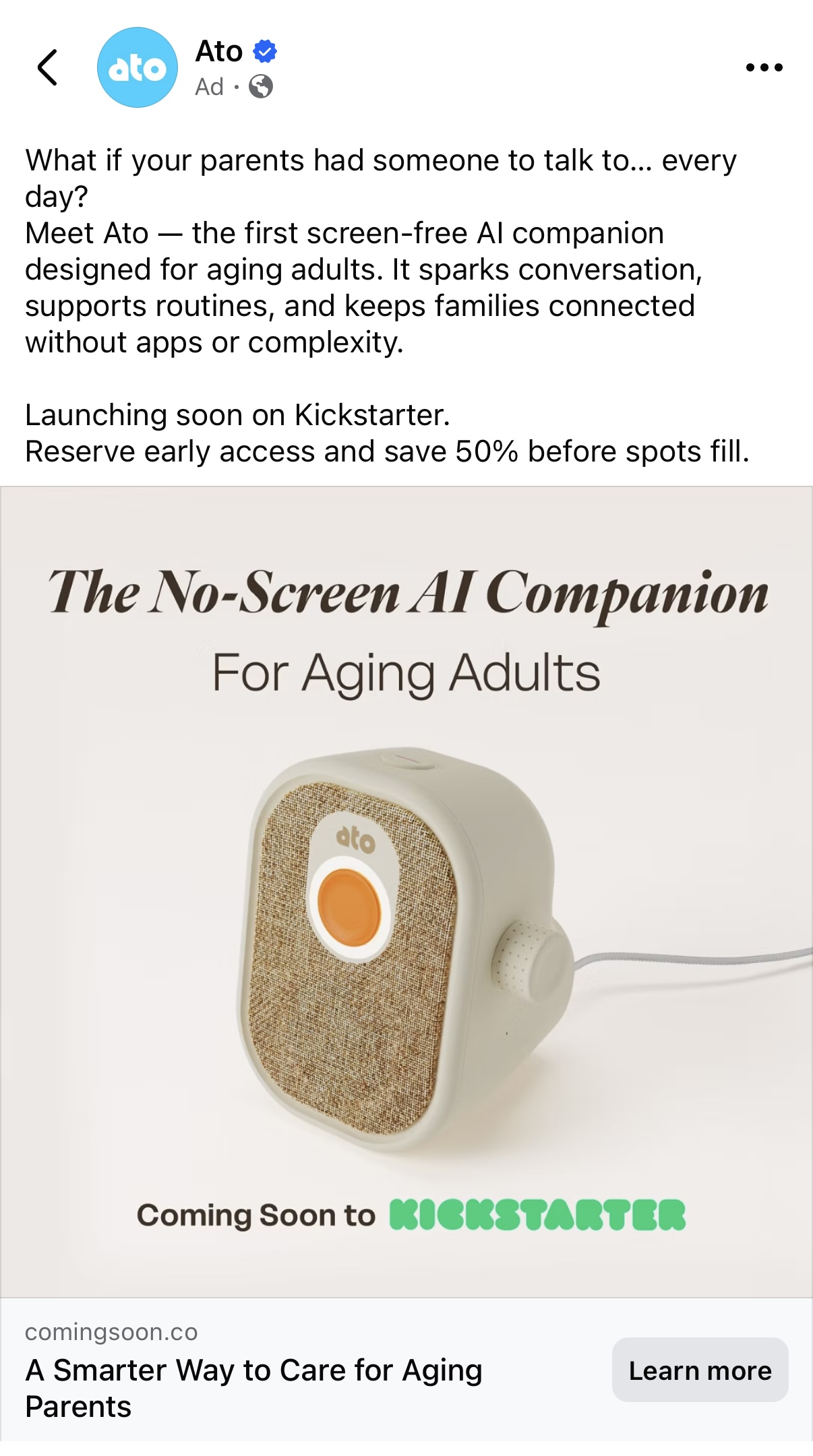
Ato: A coming-soon companion device for aging adults that doesn't ask anyone to learn a new interface. Beyond Alexa. Would it have replaced my Dad's caregivers? No, not at all. But would it have helped the caregivers, eased their load and improved communication with the family? I was lucky in that my Dad's caregivers encouraged him to learn how to play the piano, Chinese checkers and become a prolific watercolor painter at 96. If you have an aging adult in your life — who doesn't — check this out. It's a Kickstarter campaign now, which makes sense because a hardware device isn't inexpensive, at least one that is reliable and powerful. It doesn't replace care. It supports the people giving it.
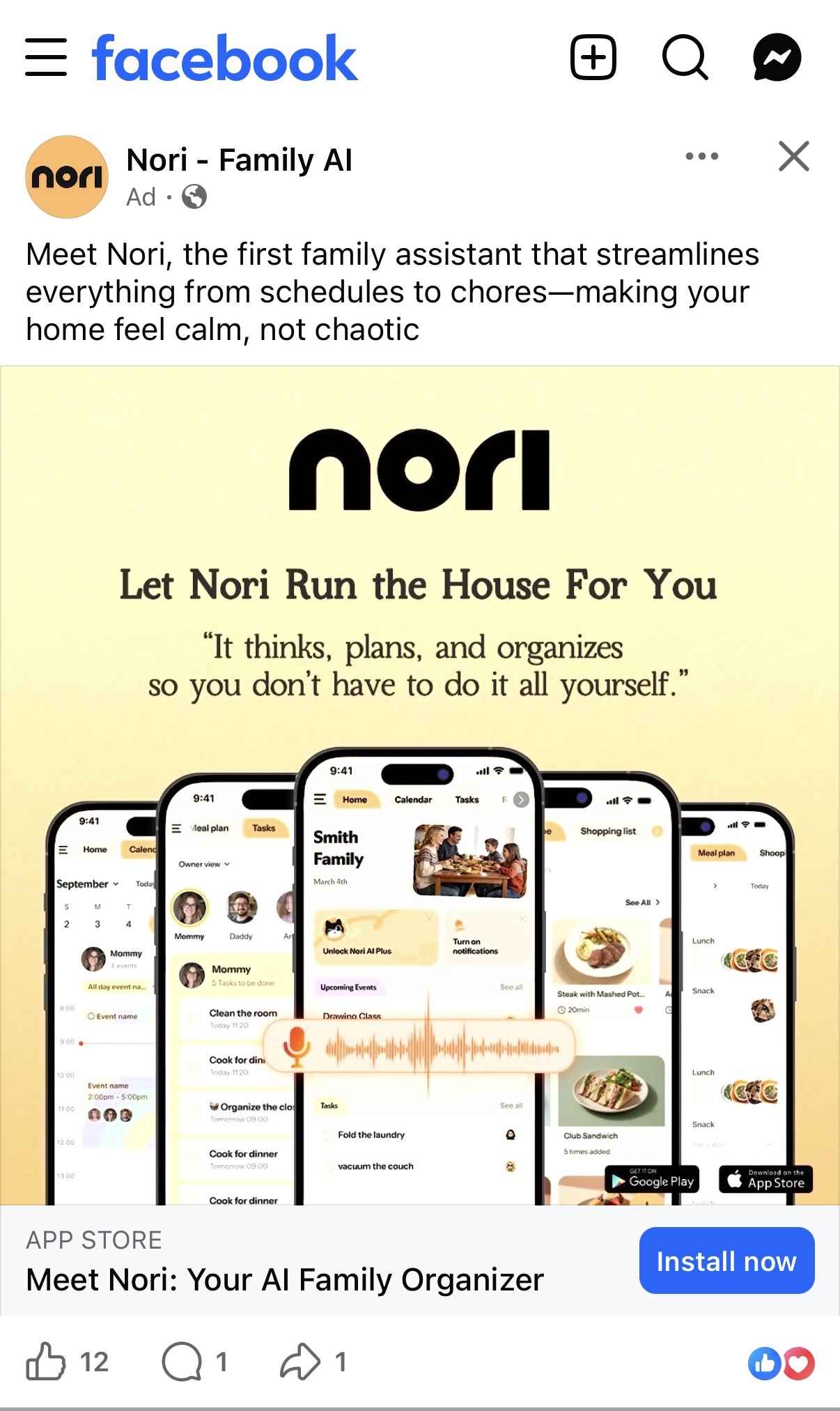
Nori: An AI agent for the household. Scheduling, reminders, the invisible management layer that someone — usually one someone — carries without credit. Free tier includes 10 AI interactions a day. Nori Plus is $7.99 a month per family. Roughly the price of a latte for outsourcing the part of your brain that never actually rests. Fair warning: a friend told me a shared calendar recently blew the cover on a surprise engagement proposal. These tools know things.
Perplexity: Is now promoting it can do your taxes. That's a stretch. It can't file your taxes. But it can double check your taxes. It might be worth trying, especially if you're determined to file on time.
Something to Sit With
Most of what we hand over, we hand over in motion. Not because we decided, but because we were already moving and the design was good and we needed one less thing to carry. That's not recklessness. It's human. But it's worth knowing it about yourself.
The people in Oregon didn't think much about data centers either. Until the water.
The line isn't between what we share and what we don't. It's between what interrupts us and what slips in quietly while our hands are full.
Until Next Time
Stay curious without being careless. Generous without being gullible. And every once in a while, close a tab or hand one over.
Connie
P.S. WSJ headline, April 2nd: Maine Is About to Become the First State to Ban New Data Centers