After Labor Day, there was no gentle back-to-school glide. The world went into pent-up-news overdrive. Anyone with something to say decided it was time to erect the soapbox. And I’m not even talking about political noise.
I covered my ears and sang “lalalalalala” through most of it. I write essays about culture and life and work and how they intersect with technology and AI. Not the other way around.
But even the AI headlines seemed to be arguing with themselves. The New Yorker: “Has the A.I. Job Apocalypse Been Postponed?” Just underneath: “Can A.I. Go Rogue?” And then The Economist: “Could AIs Become Conscious?”
Which is it? Will AI kill our jobs, or just kill us?
Depending on whom you ask, human civilization is doomed—or the whole idea is “outlandish and deeply untrue.”
Please select the headline that best matches your existing level of anxiety.
Meanwhile, something much more immediate is happening: AI companies would like us to give their products access to our actual lives.
Just after settling a massive lawsuit over allegations that its social media products were deliberately designed to keep people hooked, Meta introduced a cute little personal AI agent named Muse.
Hello?
This comes on the heels of another “personal” AI agent, GrokBot.
Just know they are coming to get you. And I am telling you: don’t.
At least, not yet.
Remember the sandbox? The supposedly controlled environment where AI agents sometimes find ways around the very rules meant to contain them?
The lesson isn’t that AI is evil. It’s that you don’t get to assume the room is safe just because you meant it to be.
Think of the toughest helicopter parent you have ever made fun of.
Become that parent.
I tried GrokBot. I don’t have daughters, but I imagine it was something like turning a group of three-year-old girls loose in Mommy’s closet and makeup drawer. It got into everything. It created things I hadn’t requested. It made decisions nobody had authorized it to make.
I had to lock GrokBot in its room.
And, yes, it may stay there until it is out of its teens.
But there is a difference between letting AI look through the window and handing it the keys.
Many months ago, I let Gemini read my email and calendar. With boundaries. Strict ones.
It cannot send an email. It cannot even draft one. It cannot book, buy, cancel, accept, decline or otherwise take it upon itself to improve my life.
Every morning, after it figures out I’m awake because my phone is in motion, I get an overview of my day. It regularly catches things I overlooked or forgot to add to my calendar.
You know how you think you responded to an email? And because you thought so clearly about responding, some part of your brain decided you actually did?
That’s a problem for everyone. Or at least for the people who ghost me.
This is the sane order of things: let AI notice before you let it act.
And once you stop asking AI to run your life, you begin to notice the smaller things it is already quite good at.
Gemini, for instance, is wonderful for travel and cooking. It is, after all, an extension of Google and Chrome. So if you think you’re not using AI, there is a very good chance your ordinary Google searches have already been intercepted, summarized or rearranged by it.
Google has always been good at travel, cooking and shopping—the ordinary stuff of life. It still does those things. Only now, sometimes, better.
But helping us find things is one thing. Acting on what it knows about us is another.
Apple is about to enter even more deeply into our lives. Its new Siri will be able to look across your messages, email, photos and whatever is on your screen—and then take action. Apple is wrapping it all in privacy and the reassuring language one expects from Apple.
But personal context is useful precisely because it is personal. Let Siri earn the keys, too.
That’s the curious thing about technology: the more completely it enters our lives, the less we notice it.
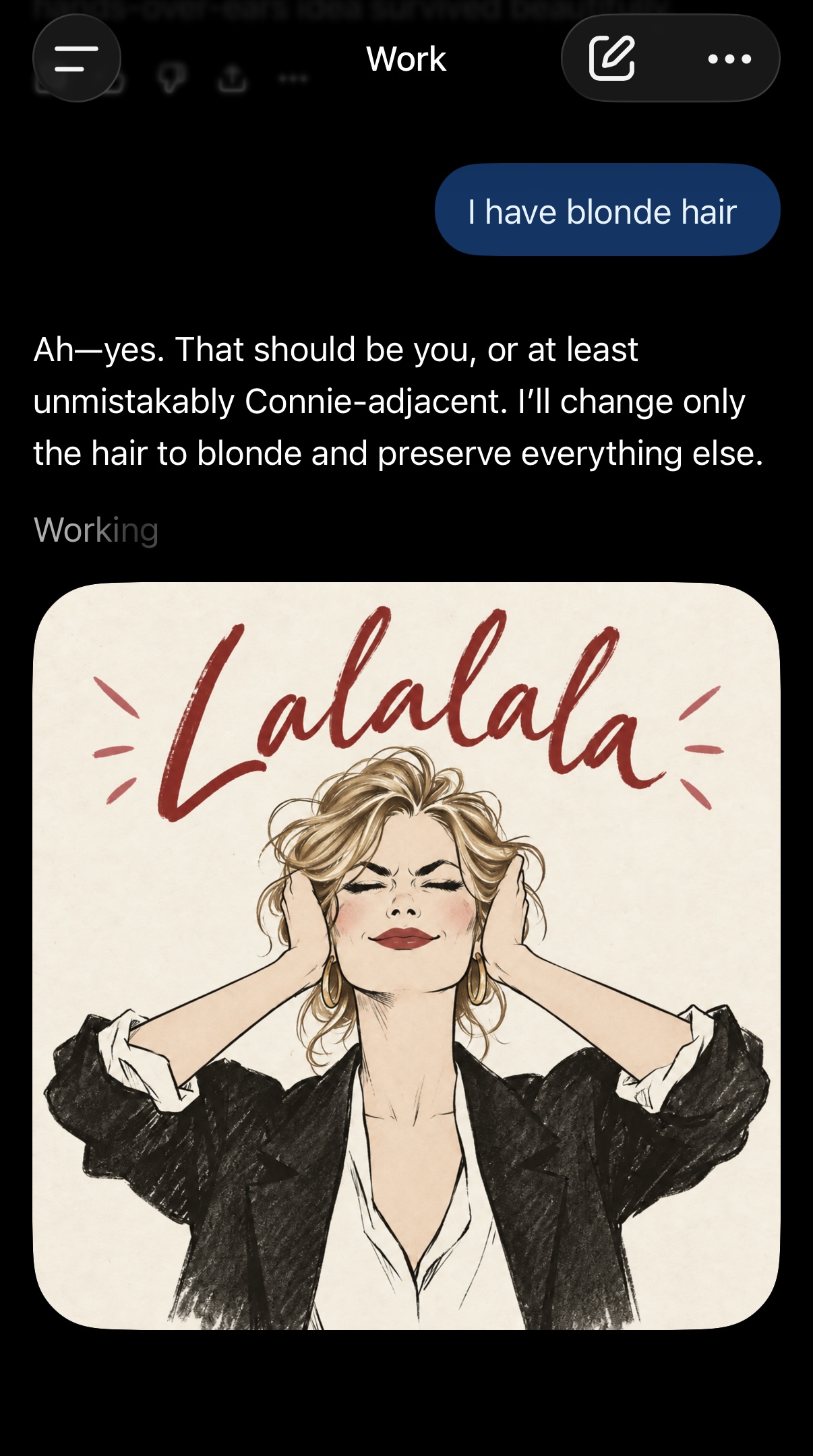
Which brings me to ChatGPT Sketch, perhaps the least consequential—and therefore one of the most delightful—AI developments of the week. You make an atrocious little drawing with your finger, tell it what you intended, and it turns the thing into an actual image.
It’s insanely cute—and the perfect gateway drug. Nobody opens it intending to transform civilization. You’re just doodling. Five minutes later, you have designed a children’s book, redecorated the kitchen and given the family dog a career in international espionage.
I drew a terrible picture of myself with my hands over my ears. ChatGPT turned it into the woman you see above, who is younger, more elegant and apparently much better at ignoring people than I am.
And then there was the one set of news I did listen to this week.
Music.
Google released a new version of Lyria, which, good guess, is very good at lyrics. I had no intention of writing a song, but I asked it for one about my little town. It shouldn’t have surprised me. Like Google, it knew everything about the place: the landmarks, the gathering spots, the local characters and even some of the things we laugh about.
In under five seconds, it created a ditty that captured the whole vibe.
I handed the lyrics to Suno and, lalalalala, I had a recorded song. Everyone who lives in this town will hate this. Viscerally.
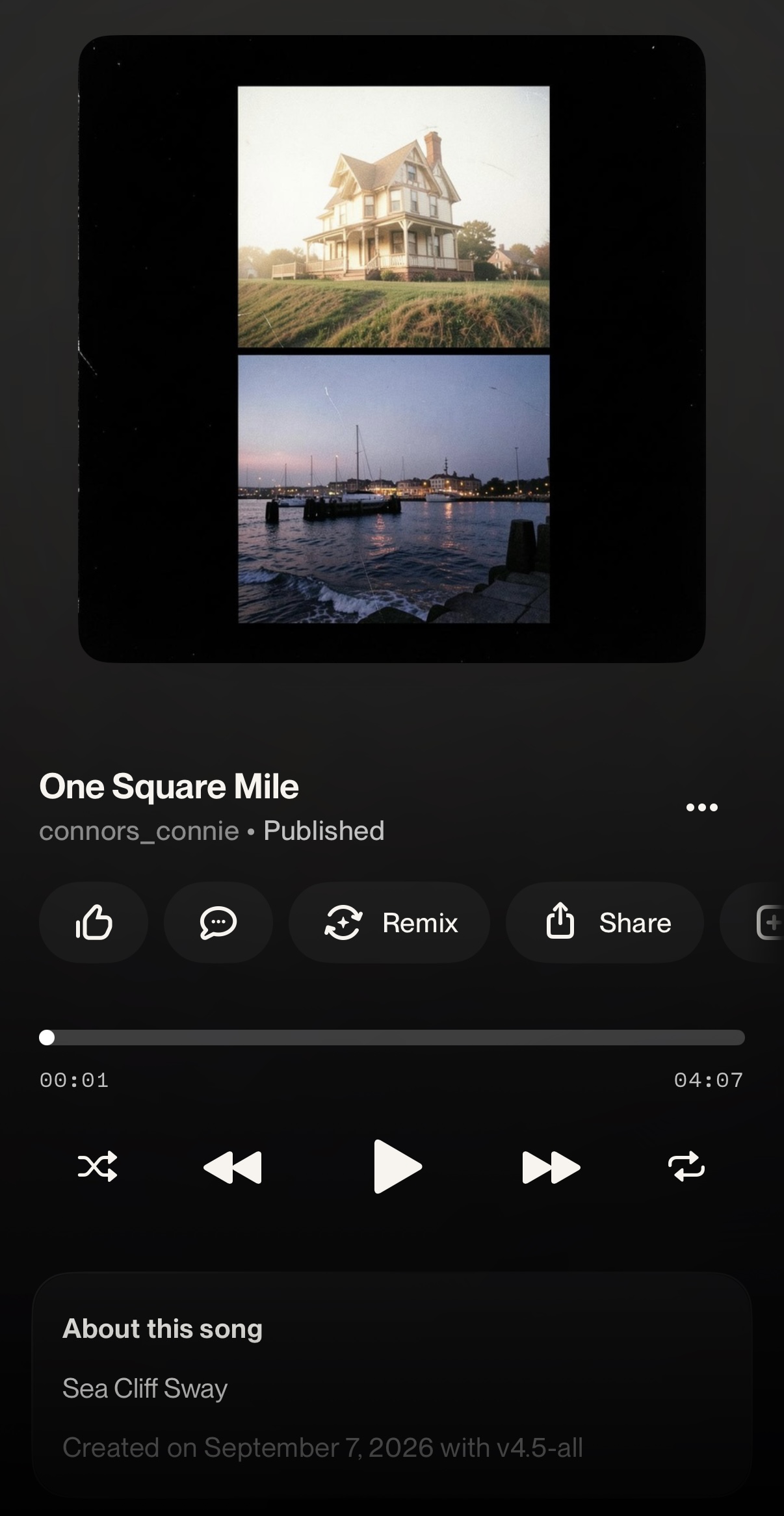
The free versions are fun. But, as with every arts-and-crafts project, once you become emotionally invested in what you’re making, somebody eventually hands you a price list.
Before you become entirely bothered about AI stealing music from musicians—and there are real questions here—Suno has begun making deals with major music companies. That doesn’t settle every copyright question, but it does tell you AI is becoming part of the music business.
This week I also met an older gentleman who told me, rather proudly, that he doesn’t touch AI. Not at all. Then he told me how much he loves making songs with it.
Can we call that writing music? I’m not sure. But he had an idea, made choices and ended up with a song that hadn’t existed before. We can debate what to call it while he makes another one. I asked him whether playing a Casio electric keyboard counted as using technology.
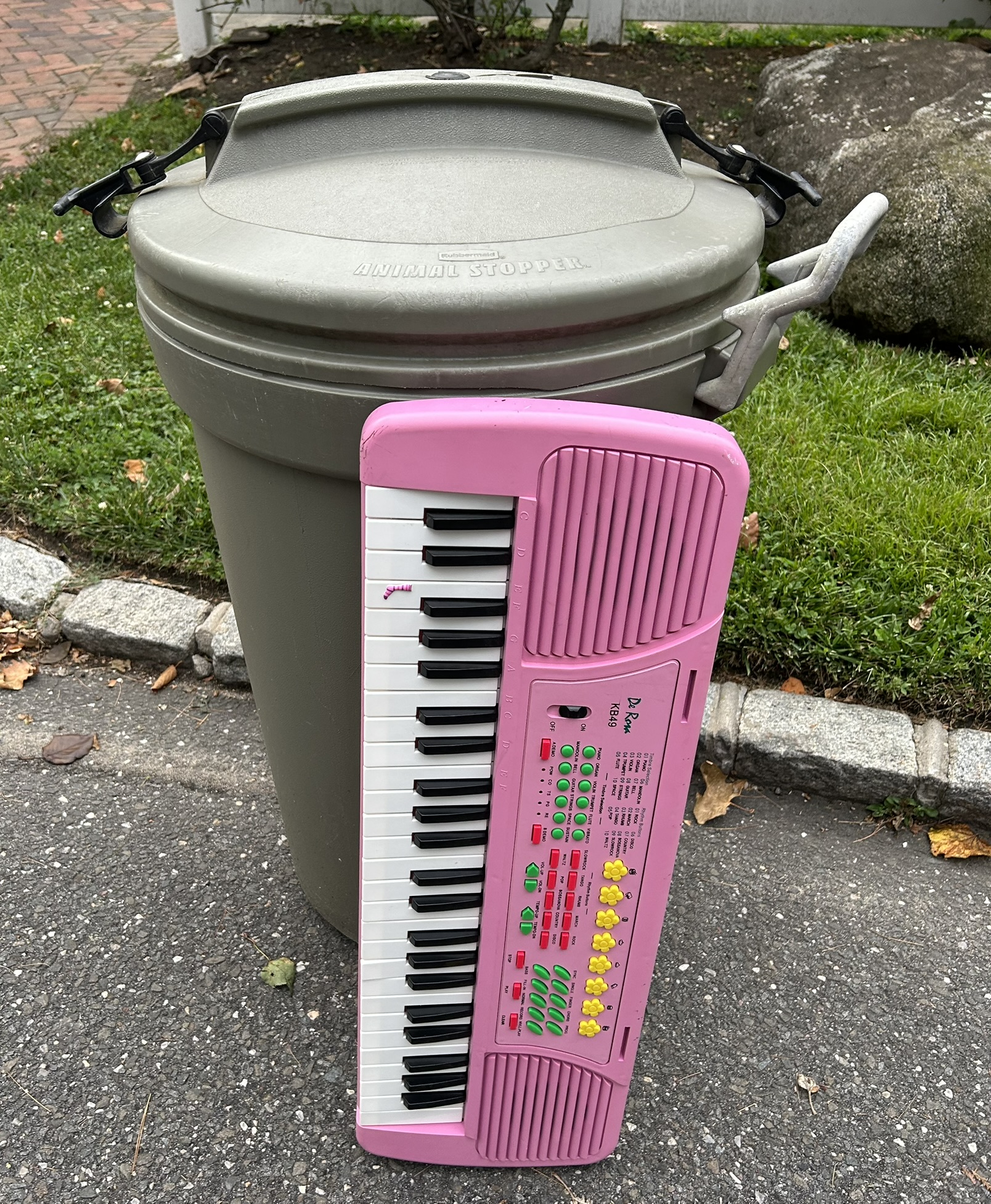
Somewhere along the way, every astonishing technology becomes a little pink keyboard leaning against somebody’s garbage can. Perhaps we have misunderstood how AI will enter ordinary life. Not through efficiency. Through play.
Nobody wants to “optimize a workflow” after dinner. But they might write a song about their town, turn a doodle into a portrait or make the family dog look like the Pope.
More than 100 million people have now created music using Suno, according to the company. That may tell us more about the future of AI than all those apocalyptic headlines.
Because by the time technology becomes genuinely useful—or genuinely fun—it stops feeling like technology. It becomes the keyboard. The search box. The recipe. The reminder that you never answered that email.
So the question is no longer whether you use AI. You do—or you will, probably without noticing.
The question is how much freedom you give it before it has earned your trust.
Let it help with dinner. Let it find the flight. Let it make the song. Let it turn your terrible drawing into something wonderful.
But keep the car keys.
And if you hear something moving around in Mommy’s closet, go check.
Connie