When I sit down to write Almost, I keep coming back to one question: what matters?
Not what’s trending. Not what Sam Altman ranted about yesterday. Not even the latest on data centers.
What deserves our attention?
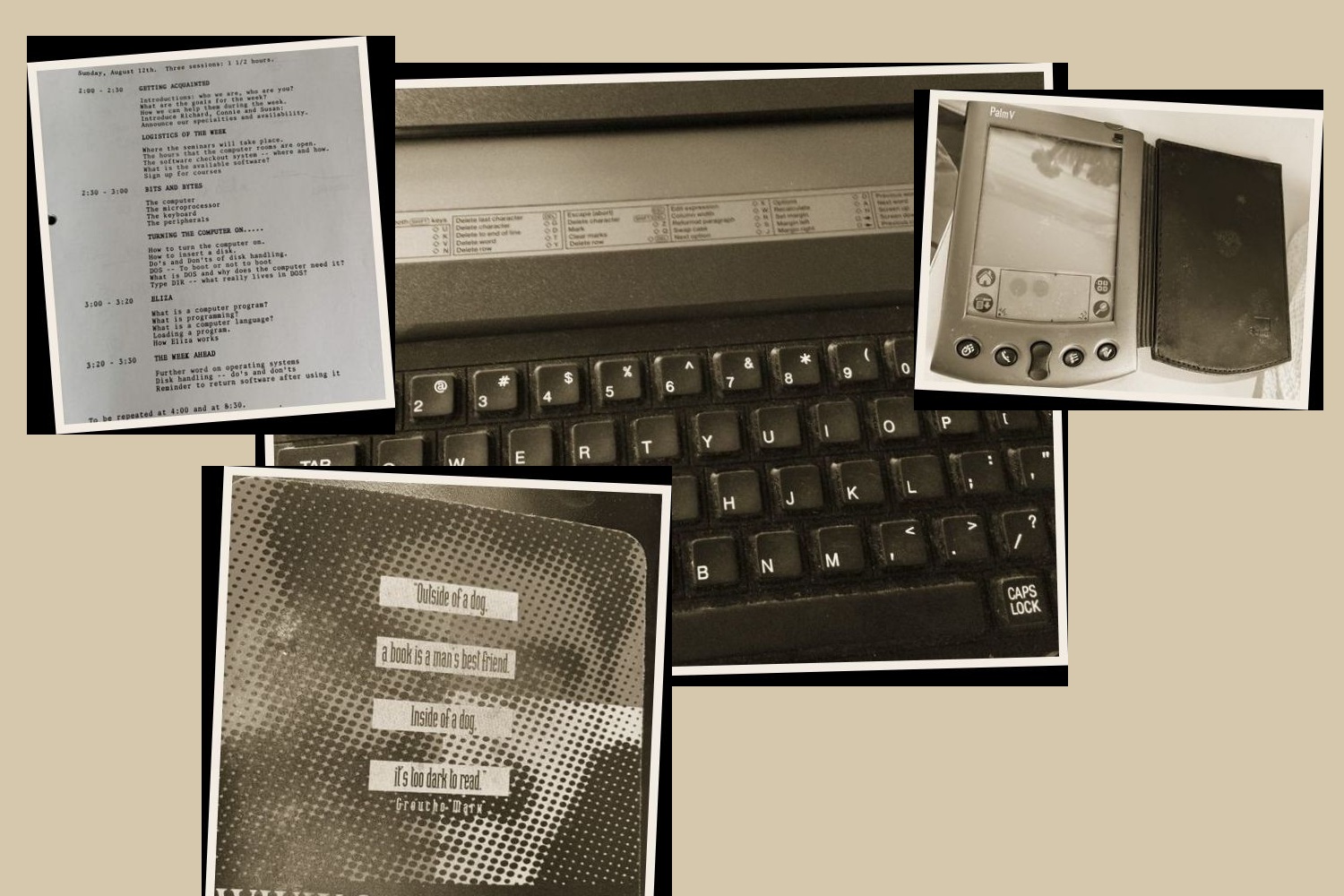
Last Friday I unlocked a storage unit I hadn’t visited in more than a year. I was just looking to pull out a chair and maybe a table. The boxes labeled “Priceline’s business plan” and “Z88 computer” tugged at me, and without much hesitation, I shoved all of them in the car.
Back at home, I wallowed in that time-capsule moment we all have every once in a while. There was a Palm Pilot V tucked inside its worn leather case. The first Amazon merch, a fading mousepad from when the company still called itself Earth’s Biggest Bookstore. A yellowing magazine article I’d written in 1993. Even a syllabus from a course I taught at Radcliffe in 1984 on how to publish content digitally, way before anyone called it an EZine, let alone a Blog.
I started re-reading. And I realized I’ve been writing the same story for more than thirty years.
Products that help ordinary people solve ordinary problems will be best sellers.
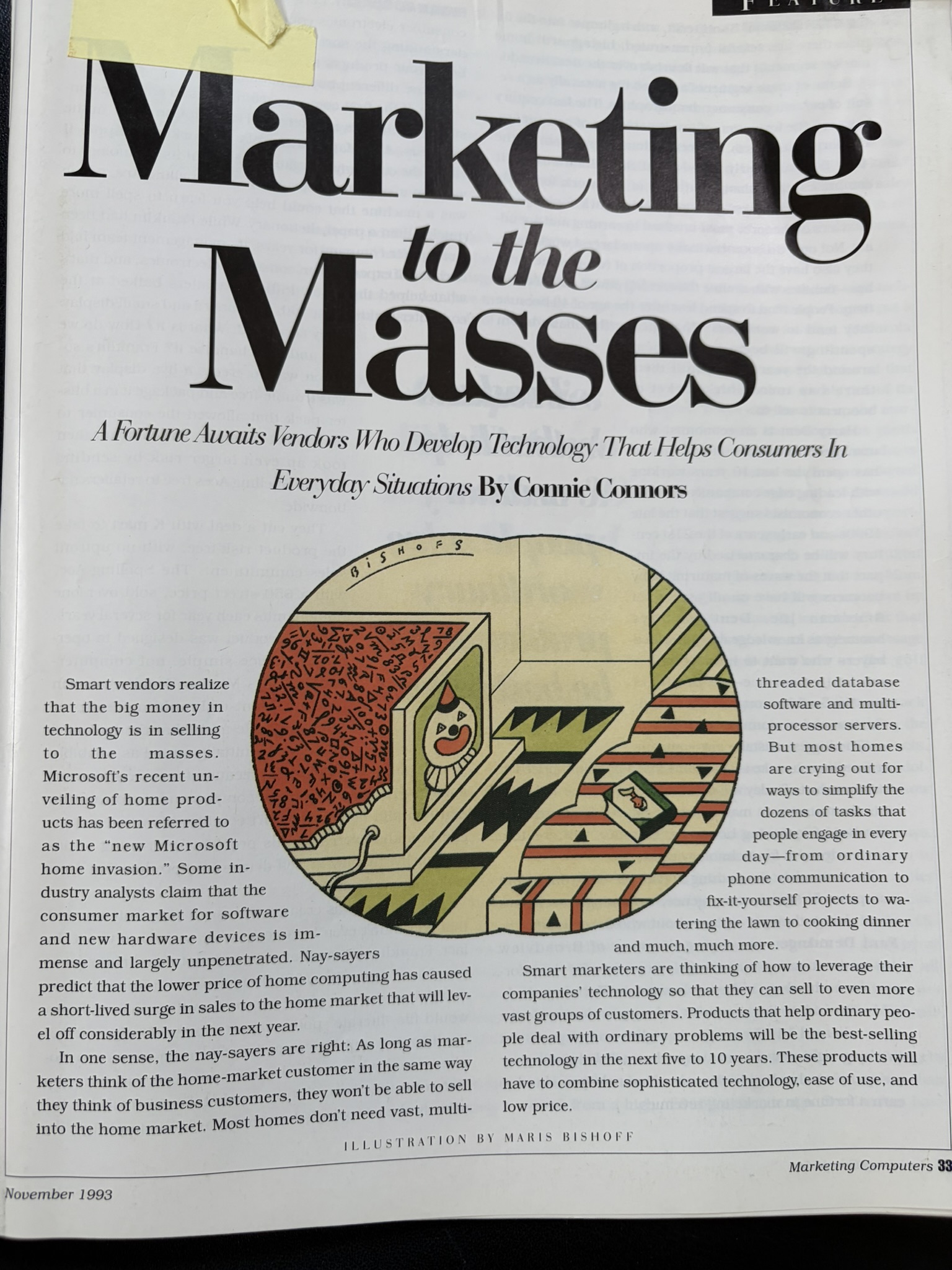
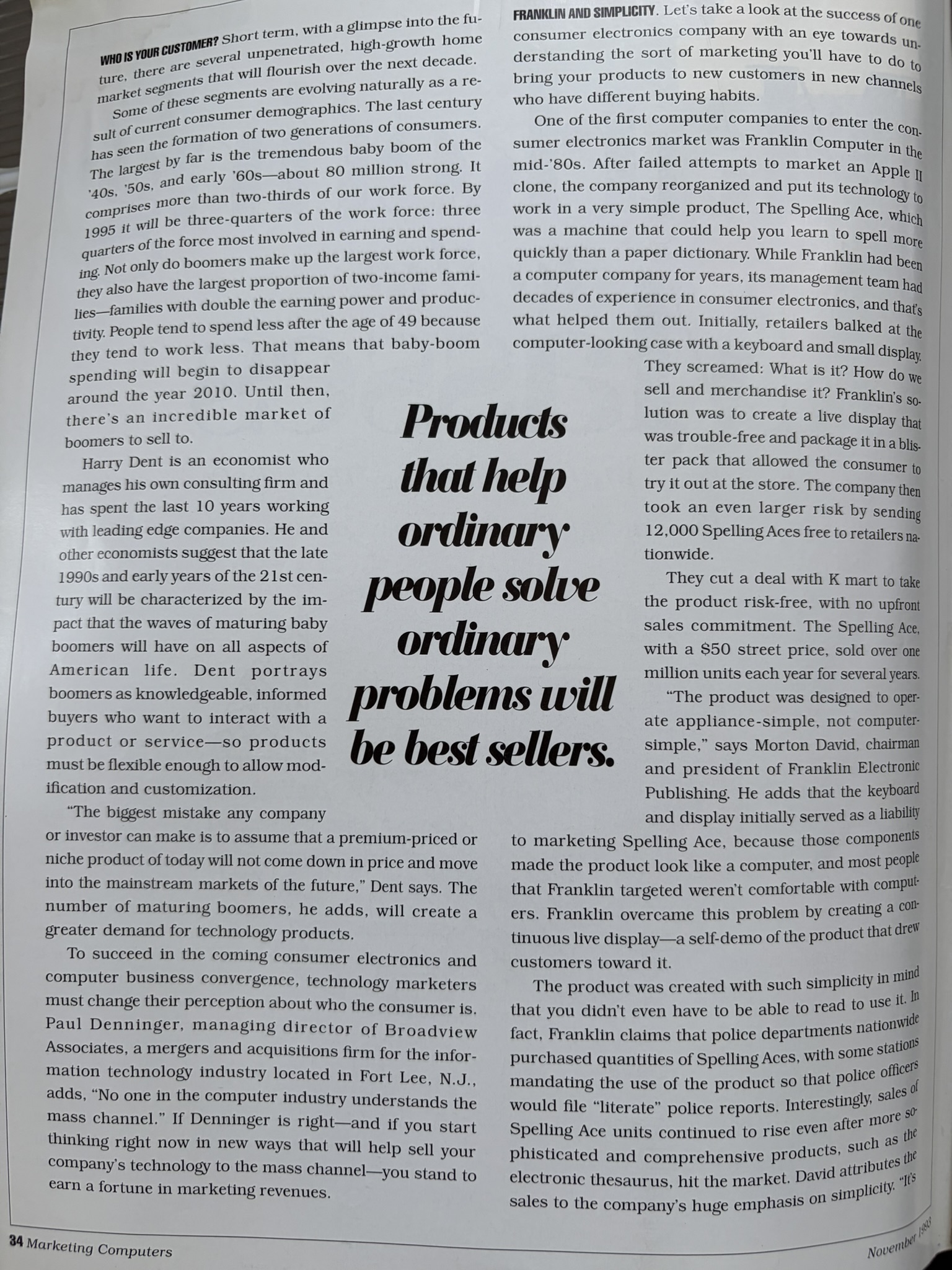
Thirty-three years later, I still believe it. The technology has changed, or maybe not.
But the people haven’t.
Ironically, the Palm Pilot was sandwiched between two old Filofaxes.
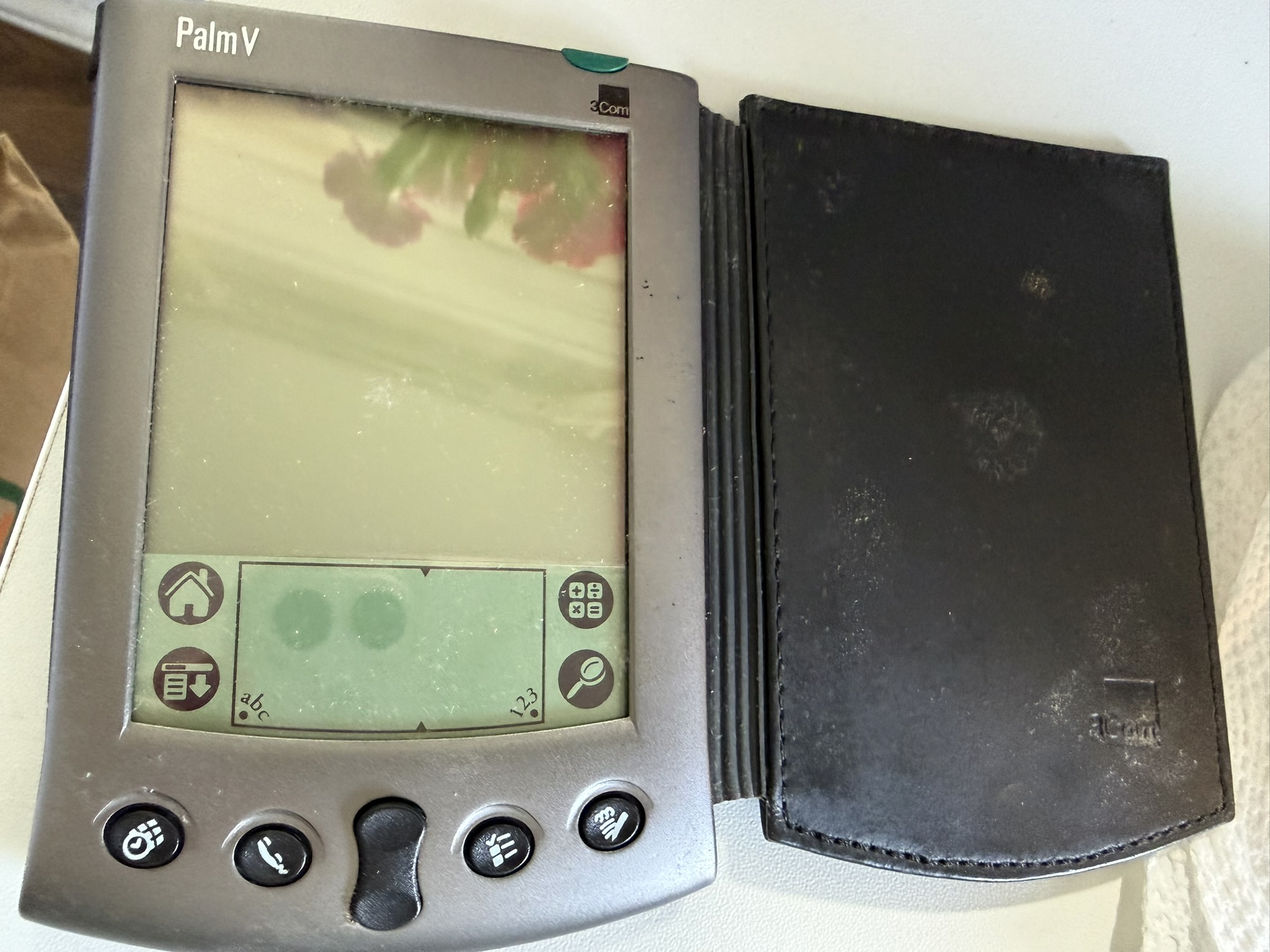
When it arrived, my IT folks synched it to my computer. No input required. I carried it to meetings, looking ever so snazzy. I put it on the conference table, opening the cover as if I might actually use it during the meeting. I still loved my Filofax, and I took pride in my old-fashioned Rolodex on my desk.
But if you’re in the tech industry, it’s practically required that you carry any alpha or beta gadget on your person at all times.
The early promise of those first small devices, especially as the phone evolved beyond a five-pound satchel, was simple: computers would reduce our mental workload. Today, many of our devices seem designed to occupy it.
Every app pushes another notification. Dual-security login required. “If you’d only tell us everything, we can make your life so wonderful.” We’ve become so accustomed to technology asking things of us that we barely notice how much work we’ve been hired — and are paying ourselves — to do.
Everything old is new again.
Also in the goodie box was the Z88 writing computer, made by Cambridge in 1987. I loved it because all you did with it was write. No distraction. Four lines of text. Backspace key. Twenty hours on two AA batteries. Fifteen to twenty pages of text. You transferred it to a computer with an RS232 cable and special software.
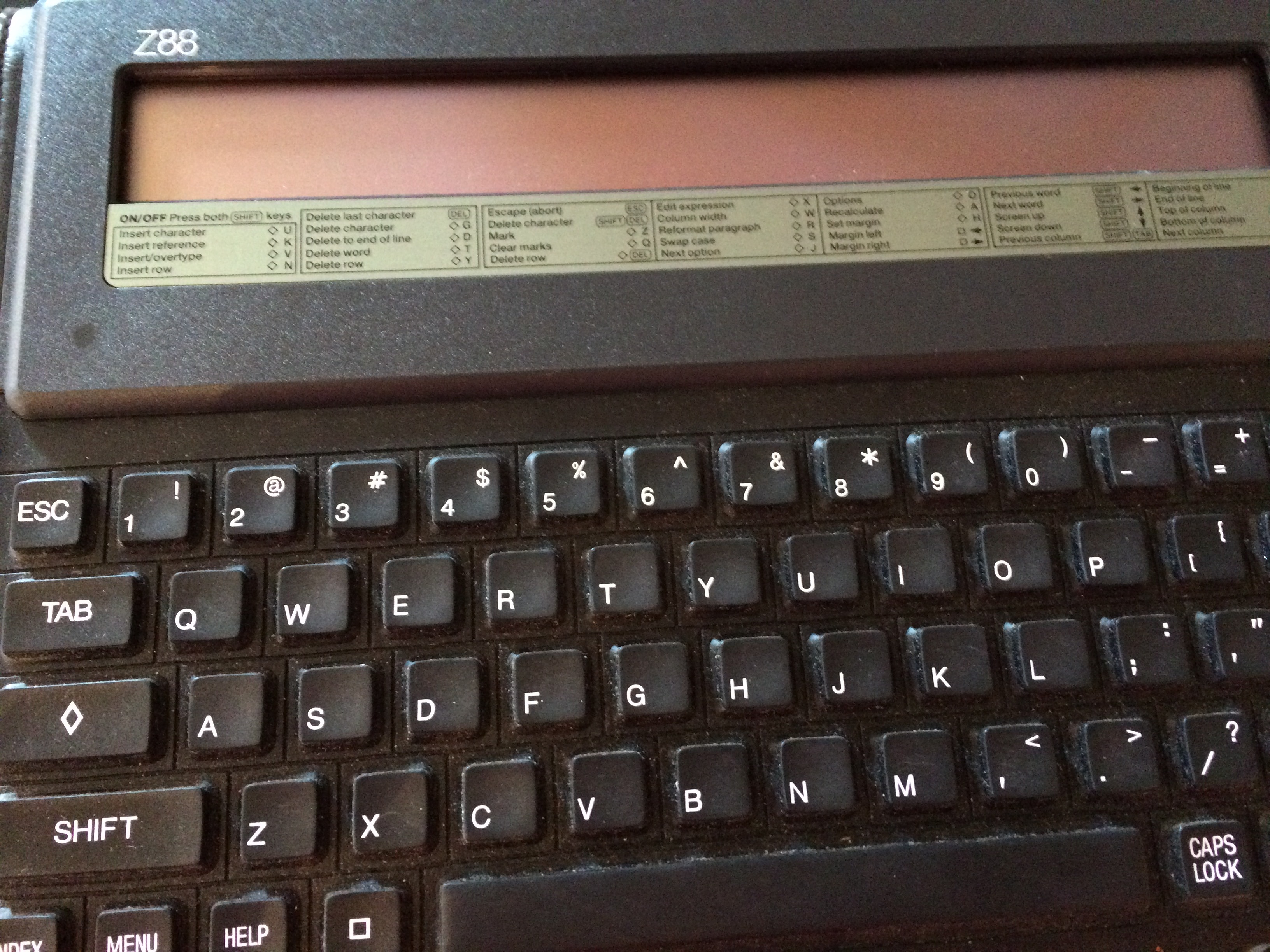
And today? “Distraction-free writing devices” are all the rage for writers. Any difference? People are paying money — these little guys cost about the same now, $400 to $500, as I paid for my Z88 in 1987 — to eliminate distractions.
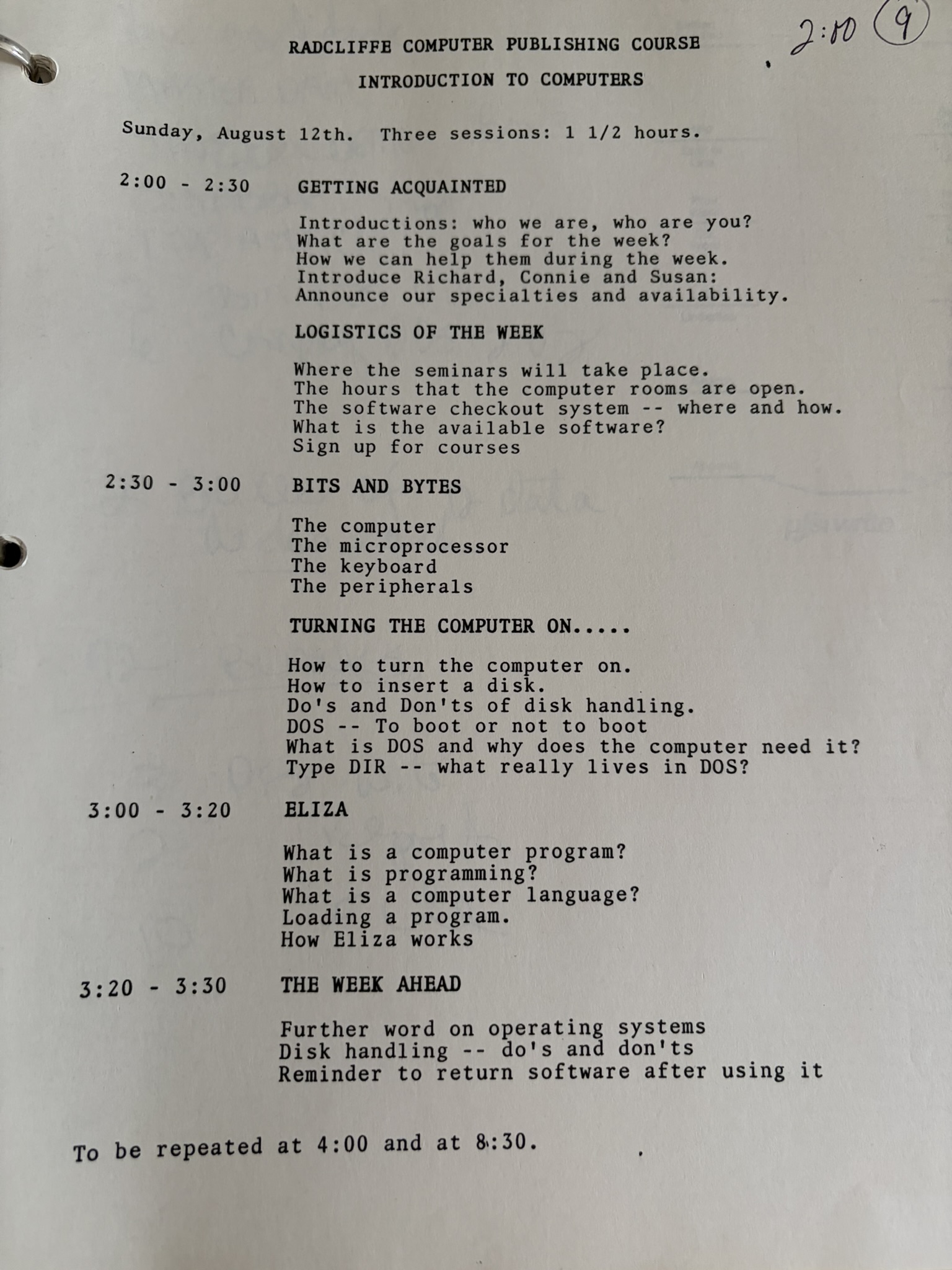
The Radcliffe syllabus was in that same box. We fed those publishing executives ELIZA, the twenty-year-old MIT chatbot having a second life as a parlor trick. Type in a feeling, get a question back. People found it uncanny — how did it know? It didn’t. ELIZA ran the oldest con there is: reflect someone’s own words back at them with enough confidence, and they’ll swear you’ve read their mind. Cold readers have used that trick for centuries. It isn’t magic. It’s the appearance of attention, worn like a costume.
Real attention is harder to fake. I only get to practice it in one place left: on set.
A few years ago, a young AI founder asked me why I still took acting jobs. I didn’t have a good answer then. I think I do now. Acting forces me to pay attention. I watch people. I notice pauses. I notice light. It’s one of the few places left where my phone disappears into my bag for twelve hours.
Last week, I took another acting gig, this time as a wealthy white woman in an Indian market. When I arrived, I was told I was now a “seeker” in an ashram.
On set, when we’re not filming, people talk about AI. “AI is ruining Hollywood.” I smile and laugh inside, “you don’t say?”, looking around at the sprawling set, built over a land preserve, and the hundreds of people handling everything from wardrobe to commissary before you even get to the actors.
My place in the ashram has me sitting cross-legged, ever so still, for every “Rolling. Action. Camera” — probably about as painful as the real thing — and I find myself wondering how the location scout predicted the sunlight so perfectly but somehow missed the flight paths overhead.
But the key is: I notice helicopters. I notice airplanes. I even listen to the dialogue, every word. The lead actor, in character, smiles at me. I smile back. That exchange is incredibly gratifying, acting or not.
Meanwhile, the real problems weren’t remotely futuristic. A low-flying helicopter in the middle of a take. Airplanes on a new flight pattern.
Technology keeps solving the glamorous problem. The real problem was helicopters.
As I packed the Palm Pilot back into its case, I realized I hadn’t found a box of obsolete technology. I’d found a box of old questions.
How do we make computers useful? How do we help people instead of distracting them? The answers keep changing. The questions don’t.
Thirty-three years ago I wrote that products helping ordinary people solve ordinary problems would become best sellers. Today I’d only add one sentence: technology doesn’t become intelligent when it can think for us. It becomes intelligent when it knows when to leave us alone.